You've got questions about concrete flatwork, and believe me, I've heard 'em all. After years of pouring driveways, patios, and sidewalks right here in Kearns, I know exactly what homeowners are curious about. So, let's just dive right into the most common things people ask me.
How long does new concrete flatwork really take to cure? Can I drive on it sooner?
This is probably the question I get most often, and folks, the answer isn't as simple as 'a week.' See, concrete doesn't just 'dry out'; it actually cures. That's a chemical process where it slowly gains strength. For most residential flatwork, like a driveway or patio, you're looking at about 7 days before you can walk on it comfortably without leaving marks. For light vehicle traffic, you really should wait at least 7 days, but 14 days is even better if you can manage it. Heavy trucks? Give it a full 28 days. That's when it finally reaches its full design strength, you know?
Trying to rush this is a bad idea. You can cause surface damage, cracking, or even structural issues that'll show up years down the road. It's kind of like baking a cake – you can't pull it out of the oven early and expect it to be perfectly done. Patience really pays off big time here.
What causes those hairline cracks in my concrete, and are they a problem?
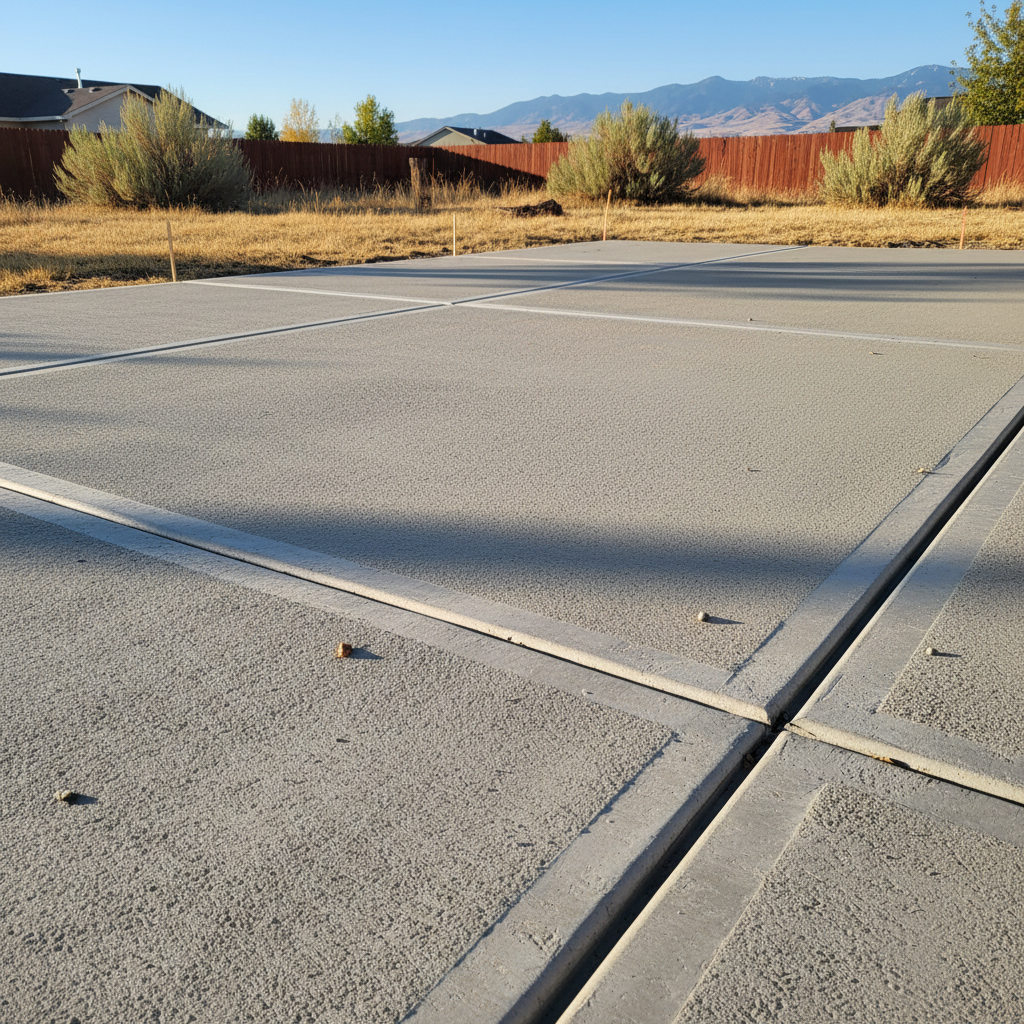
Ah, the dreaded hairline crack. You'll eventually see these in almost any concrete slab, and usually, they're not a big deal. Most hairline cracks are what we call 'shrinkage cracks.' As concrete cures and loses moisture, it shrinks a tiny bit, and that stress can cause these small, superficial cracks. We try to control where they happen by putting in control joints (those grooves you see in sidewalks and driveways), but sometimes they just pop up elsewhere.
When should you worry? If a crack is wider than a credit card, if one side is significantly higher than the other (that's called 'heaving'), or if it's growing rapidly, then it's definitely time to call someone like Kearns Concrete to take a look. Those could indicate a bigger issue with the subgrade or water drainage, and nobody wants that.
Do I need to seal my concrete driveway or patio? How often?
Absolutely, you should seal your concrete. Think of it as sunscreen for your concrete. It protects it from water penetration, oil stains, de-icing salts, and even UV damage from our intense Utah sun. Water getting into the concrete, freezing, and expanding is a huge problem, especially with our Kearns winters. That freeze-thaw cycle can spall and pit your concrete fast.
For most residential concrete, I recommend sealing it every 2-3 years. If it's a high-traffic area or exposed to a lot of chemicals (like a garage floor), you might do it every year. It's a relatively inexpensive maintenance step that can add years to the life of your concrete and keep it looking good.
What's the deal with rebar vs. wire mesh? Which is better for my project?
Good question. Both rebar (reinforcing bar) and wire mesh are used to add tensile strength to concrete; they help it resist pulling apart. Concrete is super strong under compression (pushing down), but weak under tension (pulling apart). The reinforcement helps hold it together, especially with those shrinkage cracks we just talked about.
For most standard driveways, patios, and sidewalks, wire mesh (usually 6x6-10/10 gauge) is sufficient. It's easier to work with and provides good crack control for typical residential loads. Rebar (thicker steel bars) is generally used for heavier-duty applications, like foundations, structural slabs, or areas that will bear very heavy loads, like an RV pad or a commercial parking lot. Sometimes we'll use a combination, especially if the ground conditions are a bit tricky, like some of the clay soils we have around here in Kearns. It really depends on the specific project and what kind of stress the concrete will be under.
My concrete is sinking/heaving. Can it be fixed, or do I need to replace it?
This is a common issue, and whether it can be fixed or needs replacement depends on how bad it is and what caused it. Sinking or heaving usually points to problems with the subgrade – that's the soil underneath the concrete. Maybe it wasn't compacted properly, or there's a drainage issue causing the soil to erode or swell.
For minor sinking, sometimes a process called 'mudjacking' or 'polyjacking' can lift the slab back into place. This involves drilling small holes and pumping a material (slurry or polyurethane foam) underneath to raise it. It's a good option if the concrete itself is in decent shape and just needs to be leveled.
However, if the concrete is severely cracked, crumbling, or if the subgrade issue is extensive, replacement might be the more durable and cost-effective long-term solution. We always assess the underlying cause first. No point in fixing the symptom if the root problem isn't addressed, right?
How do I choose the right contractor for my concrete flatwork?
Choosing a good concrete contractor is crucial. You want someone who knows their stuff and won't cut corners. Here's what I'd tell you to look for:
- Experience: How long have they been doing concrete, especially in our area? Local experience means they understand our climate and soil.
- References: Ask for them! And actually call them. See their past work if you can.
- Licensing and Insurance: This is non-negotiable. Make sure they're licensed and have liability insurance to protect you if something goes wrong.
- Detailed Bid: A good contractor will give you a clear, written estimate that breaks down materials, labor, and what's included. No vague numbers.
- Communication: Do they answer your questions clearly? Are they responsive? You want someone you can talk to.
- Warranty: What kind of warranty do they offer on their work?
Don't just go with the cheapest bid. Concrete is a long-term investment, and a poorly done job will cost you more in headaches and repairs down the road. At Kearns Concrete, we pride ourselves on doing it right the first time, every time.