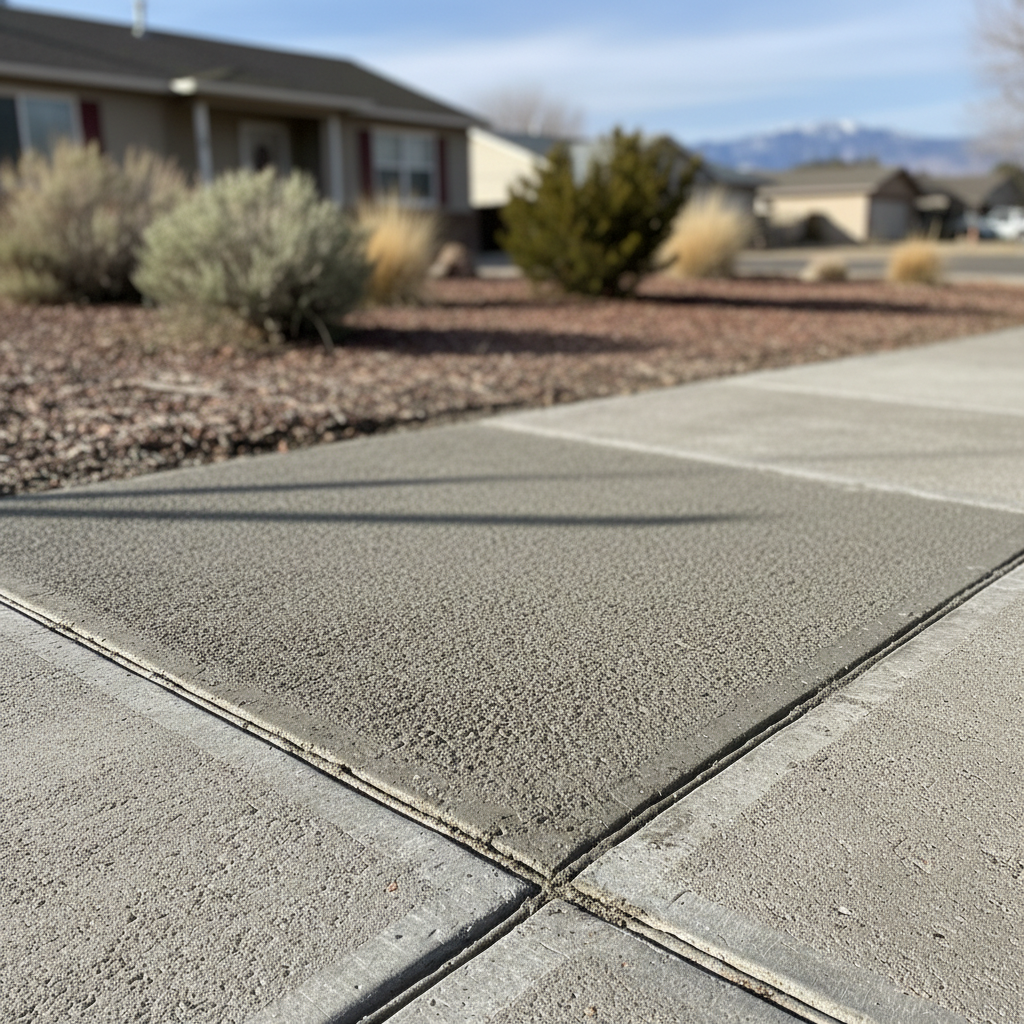
Alright, let's talk about concrete. You've got a driveway, a patio, maybe some walkways around your house here in Kearns, and sooner or later, you're going to see some wear and tear. It's just a fact of life, especially with our freeze-thaw cycles that really put concrete through its paces. The big question I get asked a lot is: "Can I fix this myself, or do I need to call someone?"
Before You Start: Look at the Damage
Before you even think about grabbing a bucket of patch mix, you've got to take a good, honest look at what you're dealing with. Not all concrete problems are the same, you know?
- Hairline Cracks: These are usually pretty shallow, maybe just on the surface. They often happen when concrete shrinks a bit as it dries. You'll see these a lot in newer slabs.
- Wider Cracks (1/4 inch or more): Now we're talking about something a bit more substantial. These can go deeper and might mean the slab is moving more than it should, or there's even a problem with the ground underneath.
- Spalling or Pitting: This is when the concrete surface starts to flake off or small holes appear. It often comes from water getting in, de-icing salts, or a poor finish when it was first put down.
- Uneven Slabs or Sinking Sections: This is a big one. If one part of your driveway is noticeably lower than another, or you've got trip hazards forming, that's not just a surface issue.
- Crumbling Edges or Corners: These areas take a lot of abuse. They can get chipped from cars, snow shovels, or just general use.
Your assessment is key. Don't try to patch a structural problem with just a cosmetic fix. It won't hold, and you'll just be wasting your time and money.
What You Can Probably Fix Yourself
For the average homeowner, there are definitely some concrete repairs you can handle. These are generally smaller, more cosmetic issues that don't mess with the slab's structural integrity.
- Hairline Crack Filling: For those thin, superficial cracks, you can grab a tube of concrete caulk or a crack filler from your local hardware store. Clean out the crack thoroughly – I mean, *really* clean it out, no dirt or debris – then apply the filler. Make sure it's designed for outside use and can handle temperature changes. Follow the directions on the tube; they're there for a reason.
- Small Pitting and Spalling Patches: If you've got small areas of spalling or shallow pits, you can use a concrete patch compound. You'll need to chip away any loose concrete first, clean the area well, then mix and apply the patch. Feather the edges so it blends in as best as possible. The trick here is thorough preparation and getting the mix consistency right. Too wet, it's weak; too dry, it won't bond.
- Minor Edge Repairs: For small chips on the edge of a step or slab, you can often use a vinyl-modified concrete patching compound. Again, clean the area, use a bonding agent if the product recommends it, and then carefully apply and shape the patch. Use a trowel to get a clean edge.
These DIY jobs usually involve a few basic tools: a wire brush, chisel, hammer, trowel, and a good pair of gloves. Don't skimp on safety gear; concrete dust isn't something you want in your lungs or eyes.
When It's Time to Call a Pro (That's Us, Kearns Concrete)
Look, I'm all for saving a buck and doing things yourself, but there are definitely times when you need to bring in the experts. Trying to DIY these bigger problems often leads to bigger headaches and more expensive repairs down the road.
- Wide, Deep, or Spreading Cracks: If cracks are wider than a quarter-inch, run through the entire slab, or are actively spreading, you've likely got a problem with the ground underneath or significant movement. Patching these yourself is like putting a band-aid on a broken bone. We can figure out the underlying cause and recommend a proper, lasting solution, which might mean grinding, cutting, or even replacing sections.
- Uneven or Sinking Slabs: This is a serious trip hazard and often means soil erosion or poor compaction underneath. We're talking about mudjacking (or slabjacking) or potentially full replacement. You can't fix this with a bucket of patch. Trying to level it yourself is dangerous and ineffective. Here in Kearns, especially in some of the older neighborhoods with varied soil conditions, we see this a lot.
- Extensive Spalling or Deterioration: If large sections of your concrete are flaking or crumbling, the slab's integrity is compromised. A small patch won't cut it. You're probably looking at resurfacing or replacement.
- Structural Issues: Any concrete that's part of your home's foundation, retaining walls, or load-bearing structures should always be handled by professionals. Period.
- When You Don't Have the Time or Tools: Let's be honest, concrete work is physical, messy, and requires specific tools and know-how. If you're short on time, don't have the right equipment, or just don't feel confident, it's always better to call us. We've got the experience and the right gear to get it done efficiently and correctly.
During the Repair: A Few Tips
Whether you're doing it yourself or we're doing it for you, good prep is half the battle. Clean the area thoroughly. Use a stiff brush, a power washer, or even a leaf blower to get rid of all dirt, loose debris, and old, crumbling concrete. If you're patching, make sure the area is slightly damp – not soaking wet – before applying the new material. This helps with bonding. And always, always read the instructions on the product you're using. Different products have different cure times and application methods.
After the Repair: Maintenance Matters
Once the repair is done and cured, don't just forget about it. Keep an eye on the area. For DIY patches, sometimes they don't hold up as well as you'd hope, especially with our winter weather. If you've had a professional repair, we'll give you specific instructions for care. Generally, keeping your concrete clean, sealing it every few years, and avoiding heavy de-icing salts can extend its life significantly. Good drainage around your concrete is also huge. Water pooling next to a slab is a recipe for disaster.
So, there you have it. Small cracks and minor surface issues? Go ahead and give it a shot. But for anything bigger, anything that looks like it's more than skin deep, give Kearns Concrete a call. We'll come out, take a look, and give you an honest assessment of what needs to be done. We're here to help you keep your property safe and looking good.